 Universitas Padjadjaran
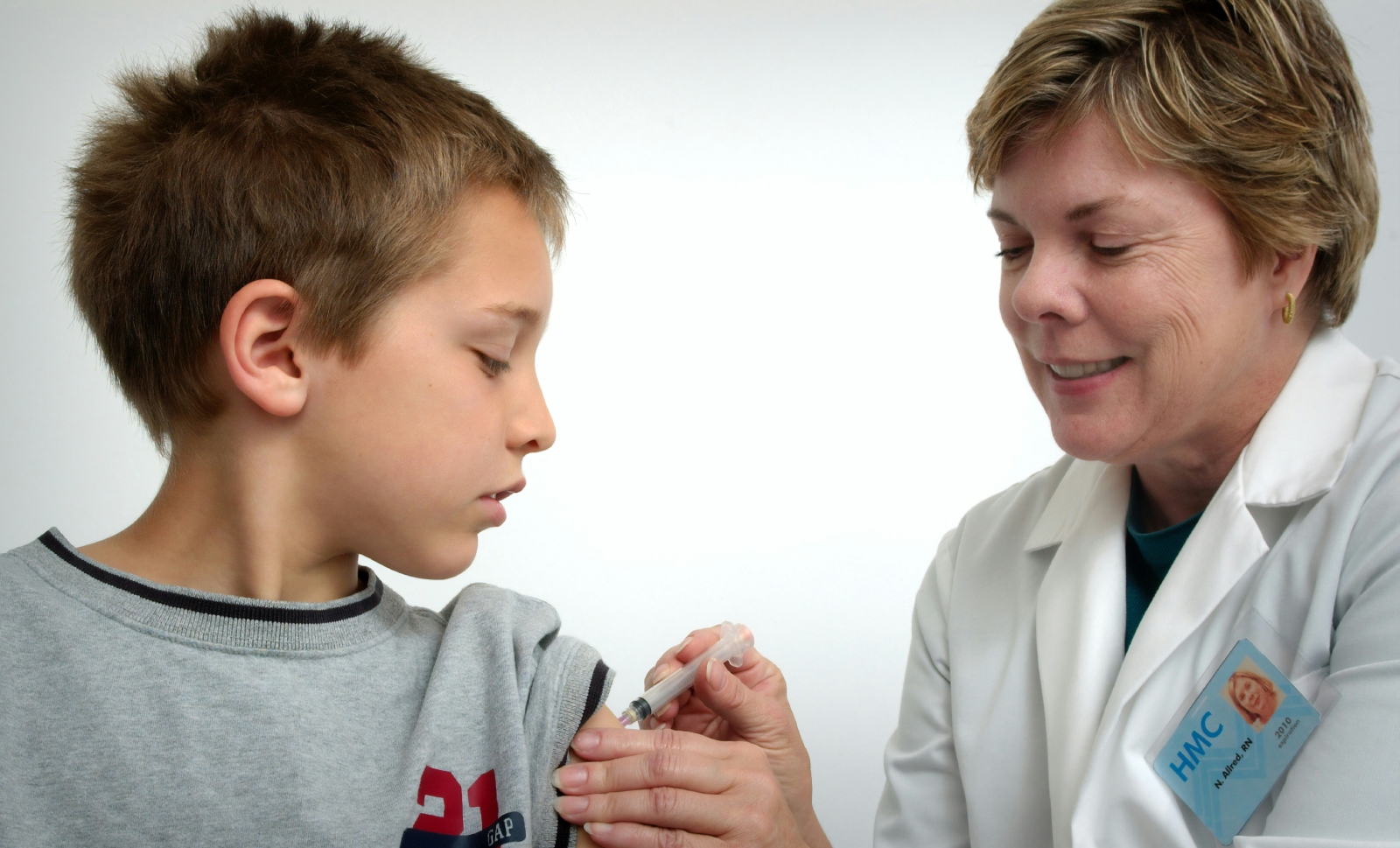
Why Some Parents Said Yes to the COVID-19 Vaccine for Their Kids
Author Gladys C
Remember when the COVID-19 vaccine for kids became available? While many parents lined up to get it for their children, others hesitated. A new study from Indonesia looked at what was really going on in parents’ minds as they made this important decision. It turns out that two key factors—what they believed were the benefits and the barriers—were the most important things influencing their choice.
The researchers wanted to understand why some parents were more willing than others to vaccinate their children. They used a well-known psychological framework called the Health Belief Model, which helps explain why people do or don’t take a specific health action. The study surveyed parents of children aged 6 to 11 in Central Java, Indonesia.
What Parents Were Thinking
The study found that parents’ decisions came down to a few key thoughts and feelings:
- Perceived Benefits: This was one of the two most important factors. For parents who decided to vaccinate, they focused on the advantages. They believed the vaccine would protect their child from getting a severe case of COVID-19 and that it would allow their children to return to normal activities, like attending school in person.
- Perceived Barriers: This was the other most significant factor. Parents who were hesitant or decided against vaccination were mainly concerned about potential barriers. These included worries about side effects, the safety of the vaccine, or a lack of trusted information. The study found that parents often got their information from social media, which may have contributed to their concerns.
Interestingly, the study found no significant link between a parent’s gender and their decision to vaccinate. However, the researchers did note that religious leaders play a crucial role in Indonesia, and their influence on vaccination decisions should be explored further.
Why This Matters
While this study focused on parents in Indonesia, its findings offer valuable lessons for public health efforts everywhere. The research showed that parents generally had a high acceptance of the vaccine. To address any lingering hesitation, public health officials should focus on two main things:
- Highlighting the clear benefits of the vaccine.
- Addressing parents’ specific concerns and fears, which often involves providing accurate information from trusted sources like doctors and community leaders.
This approach can help build trust and ensure that parents feel confident in their decision to protect their children’s health.
This article is based on the research from:
Handayani, E. W., Perwitasari, D. A., & Purba, F. D. (2025). Health belief model of parents’ COVID-19 vaccination intentions for children: perceived benefits and barriers in Indonesia. Frontiers in Public Health, 12, 1485416.